
Food blogs have become one of the most trusted sources for recipes, cooking ideas, and kitchen inspiration. Whether you are a beginner learning how to cook or an experienced home chef searching for new flavors, food blogs offer valuable information in a simple and enjoyable way. From quick family dinners to special holiday meals, these blogs help readers discover exciting dishes and practical cooking techniques. Many people love food blogs because they combine personal stories, step-by-step instructions, beautiful food photography, and real-life experiences. As more people cook at home, food blogs continue to grow in popularity, making them an essential resource for anyone who loves food and wants fresh meal ideas every day.
What Are Food Blogs?
Food blogs are websites dedicated to sharing recipes, cooking tips, food reviews, and kitchen experiences. Most food blogs are created by passionate cooks, professional chefs, nutrition experts, or food enthusiasts who enjoy helping others prepare delicious meals. These platforms often include detailed recipes, ingredient guides, cooking tutorials, and personal stories that make the content engaging and easy to follow. Unlike traditional cookbooks, food blogs are updated regularly with fresh ideas and seasonal recipes. Readers can explore a wide variety of cuisines, learn new cooking methods, and discover creative ways to prepare meals. This combination of education and inspiration makes food blogs highly valuable for modern home cooking.
Why Food Blogs Are So Popular
The popularity of food blogs continues to rise because they provide practical solutions for everyday cooking challenges. Many people struggle with meal planning, finding healthy recipes, or cooking on a budget. Food blogs address these needs with simple guides and easy-to-follow instructions. Readers appreciate the personal experiences shared by bloggers because they feel authentic and relatable. Unlike generic recipe collections, food blogs often include tips based on real kitchen experiences. This personal touch helps build trust and encourages readers to try new dishes. The convenience of accessing thousands of recipes online also contributes to the growing success of food blogs across the world.
Benefits of Following Food Blogs
One of the greatest benefits of following food blogs is access to endless cooking inspiration. Readers can explore recipes from different cultures, discover healthy meal ideas, and learn creative cooking techniques. Many food blogs also provide nutritional information, ingredient substitutions, and meal preparation advice. This helps readers adapt recipes to fit their dietary needs and preferences. Another major advantage is the ability to learn from experienced cooks who share practical tips that save time and reduce kitchen mistakes. Food blogs often create a supportive community where readers can exchange ideas, ask questions, and improve their cooking skills through shared experiences.
Different Types of Food Blogs
Food blogs cover a wide range of topics to meet the interests of diverse audiences. Some focus on healthy eating and nutrition, while others specialize in comfort food, baking, international cuisine, or budget-friendly meals. Vegan and vegetarian food blogs have become especially popular as more people explore plant-based diets. Family-oriented food blogs provide easy recipes for busy households, while gourmet blogs focus on advanced cooking techniques and restaurant-quality dishes. There are also food blogs dedicated to specific cuisines such as Italian, Mexican, Asian, or Mediterranean cooking. This variety allows readers to find content that matches their tastes and cooking goals.
How Food Blogs Help Beginners Learn Cooking
For beginners, food blogs serve as valuable educational resources that simplify the learning process. Many bloggers provide detailed instructions, ingredient explanations, and step-by-step photos that make recipes easier to understand. Beginners can learn basic cooking skills such as chopping vegetables, measuring ingredients, and using kitchen equipment correctly. Food blogs often explain common cooking terms and techniques in simple language, helping readers gain confidence in the kitchen. The supportive and conversational style found in many food blogs makes learning enjoyable rather than intimidating. Over time, readers can develop stronger cooking abilities and become more comfortable experimenting with new recipes.
The Role of Food Photography in Food Blogs
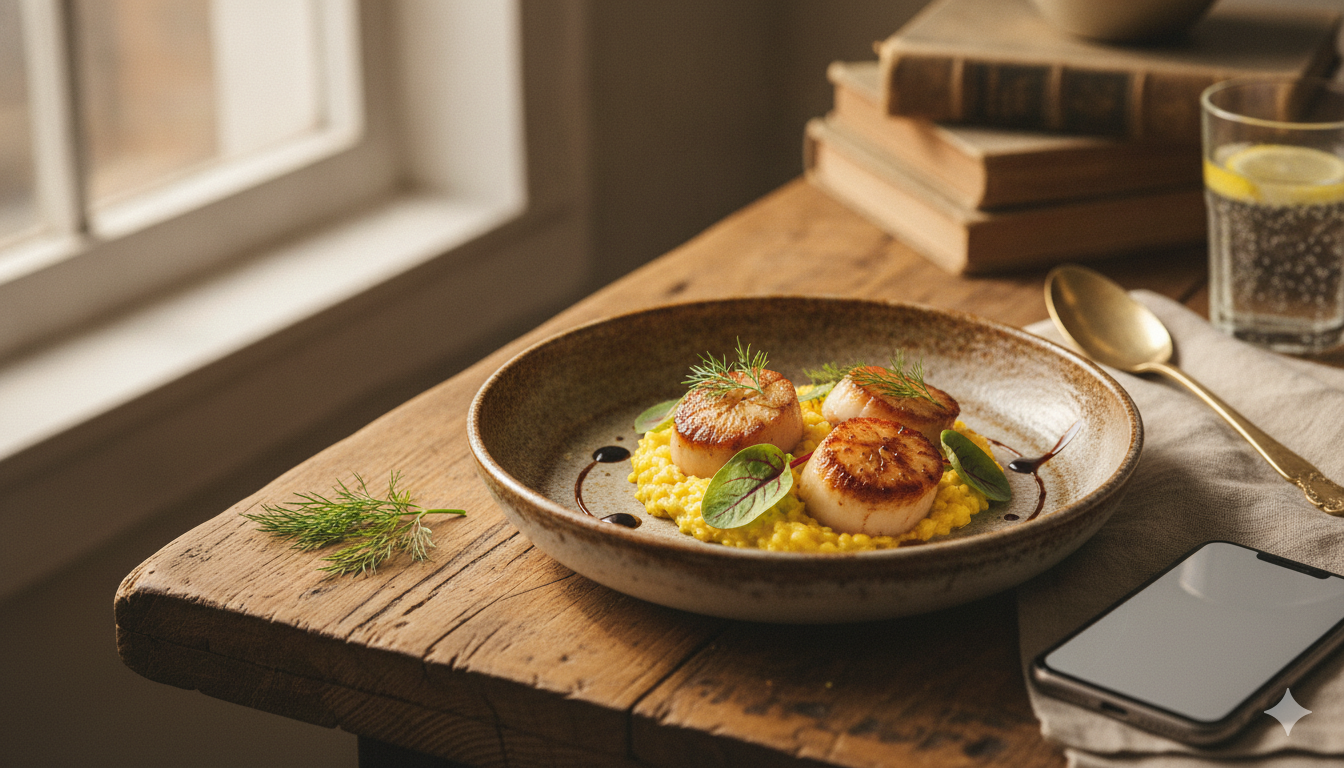
Food photography plays a major role in the success of food blogs. High-quality images help readers visualize the final dish and understand each step of the recipe process. Attractive food photos can inspire people to try recipes they may have otherwise overlooked. Professional-looking images also create trust and improve the overall user experience. Many food bloggers invest significant time in styling dishes and capturing appealing photographs that highlight colors, textures, and presentation. These visuals make food blogs more engaging and help readers feel excited about cooking. Beautiful photography often transforms a simple recipe into an unforgettable culinary experience.
Healthy Eating Through Food Blogs
Many people rely on food blogs to support healthier eating habits. Bloggers often share nutritious recipes, balanced meal plans, and practical wellness advice. Healthy food blogs focus on fresh ingredients, portion control, and mindful eating practices. Readers can find recipes designed for specific dietary needs, including gluten-free, low-carb, dairy-free, and plant-based lifestyles. These blogs help simplify healthy cooking by providing realistic meal ideas that fit into busy schedules. The guidance offered through food blogs makes it easier for families and individuals to enjoy nutritious meals without sacrificing flavor. This combination of health and taste appeals to a wide audience.
Food Blogs and Meal Planning
Meal planning can save time, reduce stress, and improve eating habits. Food blogs often provide weekly meal plans, grocery shopping lists, and batch cooking strategies that help readers stay organized. By following meal planning advice from trusted food blogs, families can reduce food waste and make better use of their grocery budgets. Many bloggers share practical systems for preparing meals in advance, making busy weekdays easier to manage. Readers can discover creative ways to use leftovers, prepare balanced menus, and streamline their cooking routines. These resources make food blogs valuable tools for improving daily life and household efficiency.
Finding Reliable Food Blogs
Not all food blogs offer the same level of quality and accuracy. Readers should look for blogs that provide clear instructions, tested recipes, and detailed explanations. Reliable food blogs often include helpful comments from readers who have successfully prepared the recipes. Consistent updates, professional presentation, and transparent ingredient information also indicate trustworthy content. Bloggers who share personal experiences and practical advice tend to build stronger relationships with their audiences. Taking time to find reliable food blogs can greatly improve cooking results and create a more enjoyable learning experience. Trustworthy sources help readers cook with confidence and achieve better outcomes.
Food Blogs and Cultural Exploration
One exciting aspect of food blogs is their ability to introduce readers to cultures from around the world. Through recipes, stories, and cooking traditions, food bloggers share insights into different cuisines and lifestyles. Readers can explore authentic dishes from various countries without leaving their homes. Food blogs often explain the history and significance of traditional recipes, creating a deeper appreciation for global food culture. This educational experience encourages culinary curiosity and broadens perspectives. By exploring international food blogs, readers can discover unique ingredients, cooking methods, and flavor combinations that enrich their cooking journey and expand their knowledge.
Future Trends in Food Blogs
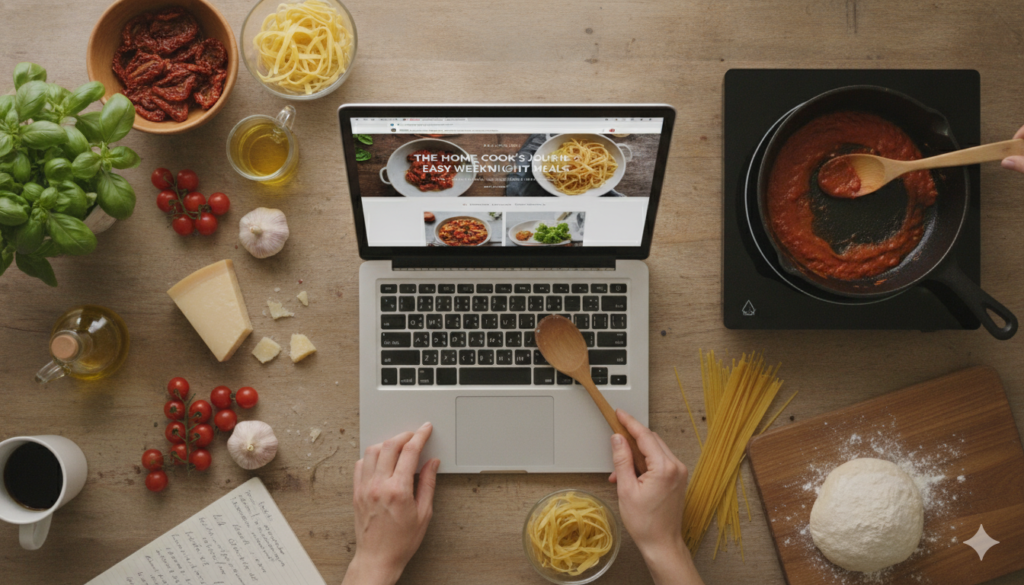
The future of food blogs looks bright as technology and consumer interests continue to evolve. Video tutorials, interactive recipe tools, and personalized meal recommendations are becoming increasingly common. Many food blogs now focus on sustainability, eco-friendly cooking practices, and reducing food waste. Readers are also showing greater interest in nutrition education and wellness-focused content. As digital platforms continue to grow, food blogs will likely become even more engaging and accessible. Bloggers who combine expertise, authenticity, and creativity will continue to attract loyal audiences. These innovations ensure that food blogs remain a valuable resource for food lovers worldwide.
Comprehensive Table: Key Features of Food Blogs
| Feature | Description | Benefit for Readers |
| Recipes | Step-by-step cooking guides | Easy meal preparation |
| Food Photography | High-quality food images | Better visual understanding |
| Cooking Tips | Practical kitchen advice | Improved cooking skills |
| Meal Planning | Weekly meal suggestions | Saves time and money |
| Nutrition Information | Healthy eating guidance | Better food choices |
| Ingredient Substitutions | Alternative ingredient options | Greater flexibility |
| Cultural Recipes | Global cuisine exploration | Expanded food knowledge |
| Beginner Tutorials | Basic cooking education | Builds confidence |
| Community Interaction | Comments and discussions | Shared learning experience |
| Seasonal Content | Holiday and seasonal recipes | Fresh cooking inspiration |
(FAQs)
1. What are food blogs used for?
Food blogs are used to share recipes, cooking tips, meal planning advice, food reviews, and culinary inspiration for home cooks and food enthusiasts.
2. Why are food blogs important?
Food blogs provide practical cooking knowledge, creative meal ideas, and real-life experiences that help readers improve their cooking skills.
3. Can beginners benefit from food blogs?
Yes. Many food blogs offer simple instructions, detailed photos, and beginner-friendly recipes that make learning easier.
4. Are food blogs helpful for healthy eating?
Absolutely. Many food blogs focus on nutritious recipes, balanced meals, and healthy lifestyle choices.
5. How often do food blogs publish new content?
Most food blogs update regularly, with new recipes, cooking guides, and seasonal content added weekly or monthly.
6. What makes a good food blog?
A good food blog provides tested recipes, clear instructions, helpful tips, quality photography, and authentic experiences that readers can trust.
Conclusion
Food blogs have transformed the way people discover recipes, learn cooking techniques, and explore food culture. They offer much more than recipe collections by providing practical advice, personal experiences, and endless inspiration for every type of cook. Whether you want healthy meal ideas, family-friendly recipes, international dishes, or kitchen tips, food blogs can help you achieve your culinary goals. By following trusted food blogs and trying new recipes regularly, you can build confidence in the kitchen, expand your food knowledge, and enjoy more delicious meals with family and friends. The world of food blogs continues to grow, offering exciting opportunities for every food lover to learn, create, and enjoy.