
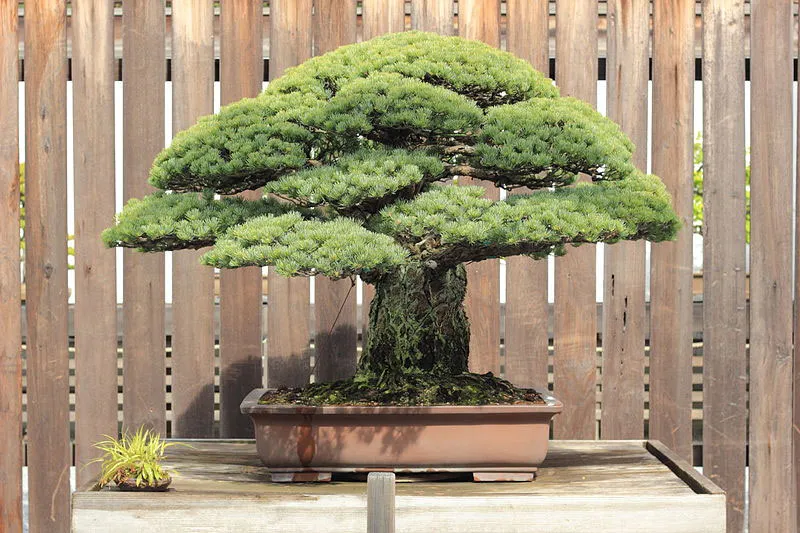
Bonsai trees are admired for their timeless beauty, artistic form, and calming presence. These miniature trees have been cultivated for centuries and remain popular among homeowners, businesses, landscapers, and gardening enthusiasts. Whether you are starting your first bonsai collection or expanding an existing one, choosing the right bonsai plant supplier is essential for receiving healthy, high-quality plants that thrive for years.
A professional bonsai plant supplier offers more than just bonsai trees. They provide expert advice, premium accessories, and ongoing support to help customers successfully care for their plants. From indoor bonsai suitable for apartments to outdoor species that enhance gardens, a trusted supplier makes it easier to find the perfect bonsai for any space.
This article explores everything you need to know about selecting a reliable bonsai plant supplier, the different bonsai varieties available, their benefits, essential care tips, and why working with a specialist is the best choice.
Table of Contents
- What Is a Bonsai Plant Supplier?
- Why Choose a Professional Bonsai Plant Supplier?
- Types of Bonsai Trees Available
- Benefits of Buying from a Bonsai Plant Supplier
- Features of a Reliable Bonsai Supplier
- Indoor vs. Outdoor Bonsai Plants
- Essential Bonsai Care Tips
- Bonsai Accessories You May Need
- Applications of Bonsai Trees
- Tips for Buying Bonsai Online
- Frequently Asked Questions
- Conclusion
What Is a Bonsai Plant Supplier?
A bonsai plant supplier is a grower, nursery, or specialized retailer that focuses on cultivating and selling bonsai trees. Unlike general garden centers, these suppliers understand the unique techniques required to grow, shape, and maintain bonsai plants.
Most bonsai suppliers offer:
- Indoor bonsai plants
- Outdoor bonsai trees
- Flowering bonsai
- Fruiting bonsai
- Rare bonsai species
- Bonsai pots
- Premium bonsai soil
- Organic fertilizers
- Pruning scissors
- Training wire
- Decorative accessories
Many suppliers also provide maintenance guides, care instructions, and customer support to help buyers succeed.
Why Choose a Professional Bonsai Plant Supplier?
Buying from an experienced bonsai plant supplier offers several advantages.
Healthy and Strong Plants
Professional suppliers carefully monitor every stage of plant growth. Their bonsai trees receive proper watering, pruning, fertilization, and pest management before reaching customers.
Expert Knowledge
Specialized suppliers understand the requirements of different bonsai species. They can recommend the right tree based on your experience, climate, and available space.
Wide Selection
A professional supplier usually offers dozens of bonsai varieties, ranging from beginner-friendly plants to rare collector’s specimens.
Better Customer Support
Many suppliers continue assisting customers with watering schedules, pruning techniques, repotting advice, and seasonal maintenance.
Quality Assurance
Healthy bonsai from reputable suppliers are more likely to adapt quickly and remain beautiful for many years.
Types of Bonsai Trees Available
A trusted bonsai plant supplier generally stocks many popular bonsai species.
Ficus Bonsai
Ficus is one of the easiest bonsai trees to maintain. It tolerates indoor environments well and is ideal for beginners.
Juniper Bonsai
Juniper bonsai is known for its evergreen foliage and traditional appearance. It grows best outdoors with full sunlight.
Chinese Elm Bonsai
Chinese Elm produces delicate leaves and elegant branching, making it a favorite among bonsai enthusiasts.
Japanese Maple Bonsai
This bonsai is admired for its colorful leaves during spring and autumn.
Jade Bonsai
Jade bonsai stores water in its thick leaves, making it highly drought-tolerant and easy to care for.
Pine Bonsai
Pine bonsai symbolizes longevity and patience. It is commonly used in traditional bonsai displays.
Benefits of Buying from a Bonsai Plant Supplier
Working with a professional bonsai plant supplier provides many long-term benefits.
Superior Plant Quality
Professional growers spend years training and shaping bonsai before making them available for sale.
Better Survival Rate
Healthy bonsai establish more quickly and require fewer corrective treatments after purchase.
Access to Rare Species
Specialized suppliers often carry unique varieties unavailable at regular garden centers.
Complete Care Solutions
Many suppliers offer all the products needed to maintain healthy bonsai, including tools, soil, fertilizer, and pots.
Valuable Learning Resources
Some suppliers also provide workshops, online tutorials, and maintenance guides for beginners.
Features of a Reliable Bonsai Plant Supplier
Choosing the right bonsai plant supplier requires evaluating several important factors.
Excellent Reputation
Read customer reviews and testimonials before making a purchase.
Healthy Inventory
Inspect plants for:
- Green leaves
- Healthy roots
- Balanced branches
- No insect damage
- No fungal disease
Wide Product Selection
A reliable supplier offers bonsai trees in different ages, sizes, and styles.
Safe Packaging
For online orders, quality packaging protects delicate branches during shipping.
Fair Pricing
Good suppliers provide excellent value without compromising plant quality.
Helpful Customer Service
Responsive support is useful when questions arise about watering, pruning, or repotting.
Indoor vs. Outdoor Bonsai Plants
Understanding the difference between indoor and outdoor bonsai helps you make the right purchase.
Indoor Bonsai
Indoor bonsai require:
- Bright indirect sunlight
- Moderate humidity
- Stable temperatures
- Proper watering
- Good airflow
Popular indoor species include:
- Ficus
- Jade
- Fukien Tea
- Hawaiian Umbrella
Outdoor Bonsai
Outdoor bonsai thrive with:
- Direct sunlight
- Fresh air
- Seasonal weather changes
- Rainwater
- Winter dormancy
Popular outdoor species include:
- Juniper
- Pine
- Japanese Maple
- Chinese Elm
- Spruce
An experienced bonsai plant supplier can recommend the most suitable species for your location.
Essential Bonsai Care Tips
Proper maintenance keeps your bonsai healthy and attractive.
Water Carefully
Water when the soil begins to dry. Avoid overwatering because excessive moisture can damage roots.
Provide Adequate Sunlight
Follow the light requirements for your bonsai species to encourage healthy growth.
Fertilize Regularly
Use a balanced bonsai fertilizer during the growing season.
Prune Frequently
Pruning maintains the tree’s miniature shape while encouraging fuller foliage.
Repot Periodically
Young bonsai generally require repotting every two years. Older trees may only need repotting every three to five years.
Watch for Pests
Inspect leaves and branches regularly for insects or signs of disease.
Bonsai Accessories You May Need
Most professional bonsai plant suppliers also sell accessories that simplify bonsai care.
Bonsai Pots
Available in ceramic, clay, and decorative designs.
Bonsai Soil
Specialized soil provides excellent drainage and supports healthy root development.
Pruning Scissors
Precision tools make trimming easier and safer.
Training Wire
Wire helps shape branches into elegant bonsai forms.
Fertilizers
Nutrient-rich fertilizers promote healthy leaves and strong roots.
Humidity Trays
Humidity trays increase moisture around indoor bonsai trees.
Applications of Bonsai Trees
Bonsai trees are suitable for many environments.
Home Decoration
They add natural beauty to living rooms, balconies, and study areas.
Office Spaces
Small bonsai improve workplace aesthetics while creating a peaceful atmosphere.
Hotels
Luxury hotels use bonsai displays to welcome guests with elegant natural décor.
Restaurants
Many restaurants incorporate bonsai into Asian-inspired interior designs.
Corporate Gifts
Premium bonsai trees make memorable gifts for clients, employees, and business partners.
Tips for Buying Bonsai Online
Many customers now purchase bonsai through online bonsai plant suppliers. Consider these tips before placing an order.
- Read customer reviews.
- Verify the supplier specializes in bonsai.
- Check packaging methods.
- Confirm shipping policies.
- Review return options.
- Ask about plant care instructions.
- Compare product quality rather than price alone.
Choosing a trusted online supplier ensures your bonsai arrives healthy and ready to grow.
Frequently Asked Questions
Which bonsai is best for beginners?
Ficus and Jade bonsai are ideal because they are resilient and easy to maintain.
How often should I water a bonsai?
Water when the top layer of soil begins to dry. Frequency depends on species, climate, and pot size.
Can bonsai grow indoors?
Yes. Many varieties thrive indoors with proper lighting and care.
How long do bonsai trees live?
With good care, bonsai trees can live for several decades, and some are hundreds of years old.
Why should I buy from a specialized bonsai plant supplier?
Specialized suppliers provide healthier plants, expert guidance, premium accessories, and better customer support.
What accessories are essential for bonsai care?
Basic accessories include bonsai soil, pruning scissors, fertilizer, a suitable pot, and watering equipment.
Conclusion
Selecting the right bonsai plant supplier is the key to enjoying healthy, beautiful, and long-lasting bonsai trees. Professional suppliers offer carefully cultivated plants, expert advice, quality accessories, and dependable customer service that help beginners and experienced growers alike. Whether you are decorating your home, enhancing your office, creating a peaceful garden, or starting a rewarding hobby, purchasing from a trusted bonsai plant supplier ensures you receive a bonsai that will thrive with proper care. By choosing quality plants and following recommended maintenance practices, you can enjoy the timeless beauty of bonsai for many years to come.