Introduction
Video editing has traditionally required dedicated software, technical knowledge, and considerable time. Today, online editing tools are changing that process by making many editing tasks easier to manage directly from a web browser. Artificial intelligence is playing an important role in this shift, helping creators organize footage, improve visuals, generate content ideas, and complete repetitive editing tasks more efficiently.
For beginners, content creators, marketers, educators, and small businesses, browser based video editing can provide a practical alternative to complex desktop applications. Instead of learning every technical feature before creating a video, users can increasingly rely on intelligent tools to simplify parts of the workflow while still maintaining control over the final result.
Making Video Editing More Accessible
One of the biggest changes brought by online AI video editors is accessibility. Traditional editing applications can have complicated interfaces filled with timelines, menus, effects, transitions, and technical settings. These features are useful for experienced editors, but they can be intimidating for someone creating their first video.
A browser based editor can make the process more approachable. Users can upload their footage, arrange clips, add text, adjust audio, and make visual changes without installing large software packages. AI can further simplify these tasks by helping users identify useful sections of footage or suggesting ways to structure their content.
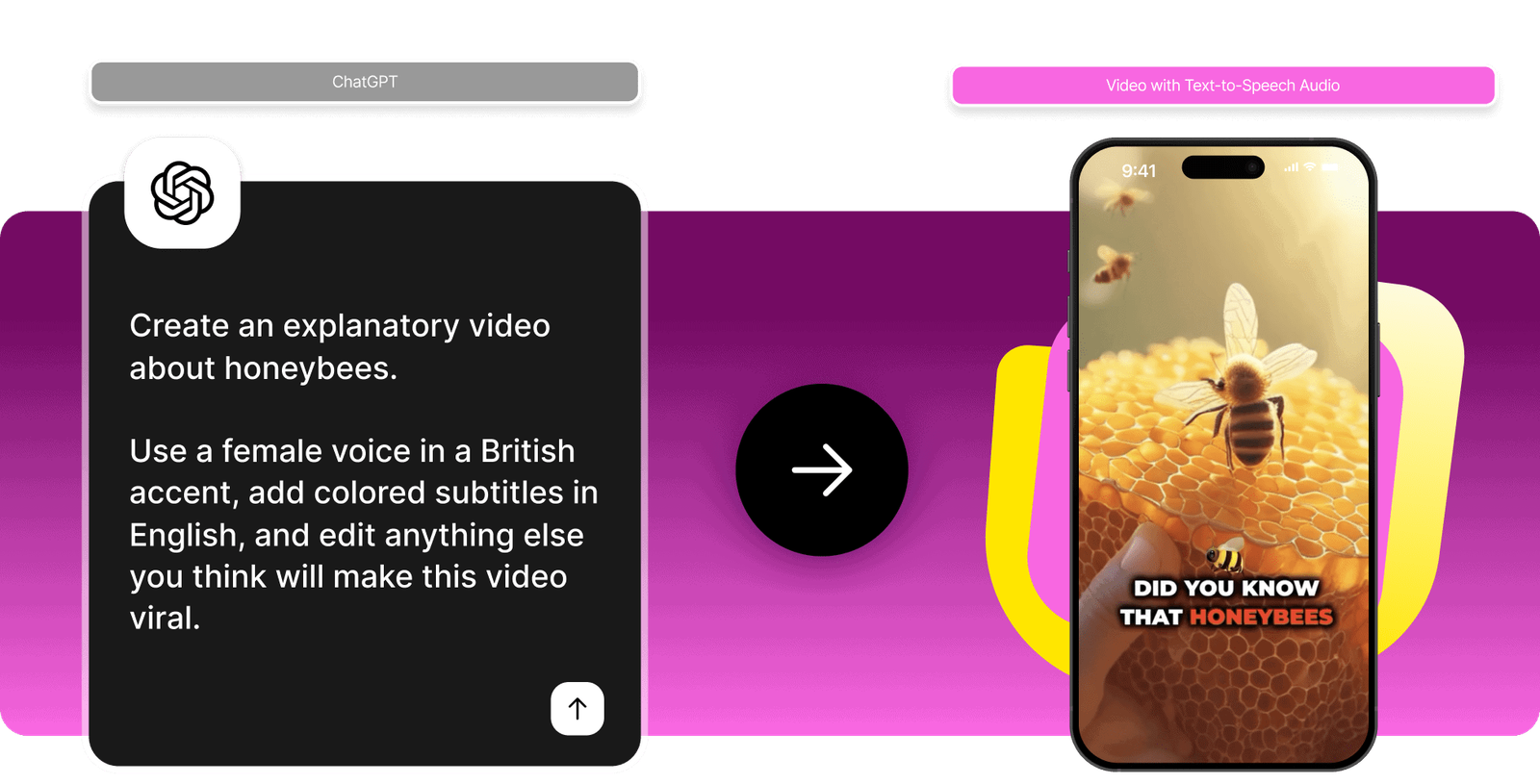
For people looking for a straightforward starting point, a resource such as a ChatGPT video editor online can also be useful for understanding how AI assisted editing fits into a modern browser based workflow.
AI Can Reduce Repetitive Editing Tasks
Video editing often involves repetitive work. An editor may need to remove unnecessary sections, organize multiple clips, create captions, adjust audio levels, or prepare different versions of the same video for various platforms.
Artificial intelligence can assist with several of these tasks. Automated transcription, for example, can convert spoken dialogue into text that can then be used for captions. Some tools can also detect pauses or identify sections of footage that may not be necessary.
This does not mean that AI should replace human editing decisions. Instead, it can reduce the amount of routine work involved, allowing creators to spend more time thinking about storytelling, pacing, and the message they want their audience to remember.
Improving Captions and Accessibility
Captions have become an important part of online video. Many people watch videos without sound, while others rely on captions because of hearing difficulties or language barriers.
AI powered transcription can make caption creation considerably faster. Instead of manually typing every sentence, creators can use automated transcription as a starting point and then review the result for accuracy. Names, technical terms, accents, and background noise can sometimes lead to mistakes, so human review remains important.
Captions can also improve the accessibility of educational videos, tutorials, interviews, product demonstrations, and social media content. When properly reviewed, automatically generated captions can help creators communicate with a broader audience.
Helping Creators Maintain Consistent Content
Consistency is another area where online editing tools can be valuable. Creators who publish regularly often need to maintain similar visual styles across multiple videos. This may include recurring fonts, colors, introductions, logos, captions, or transitions.
Templates can simplify this process by providing a reusable structure. AI can complement templates by helping users adapt content to different formats and audiences. For example, a longer video could be edited into shorter segments designed for social platforms, while important sections can be selected for further editing.
Consistency does not necessarily mean making every video identical. A good workflow allows creators to maintain recognizable branding while still adapting each video to its subject and audience.
AI Assistance Does Not Replace Creative Judgment
Although artificial intelligence can automate many technical processes, effective video editing still depends heavily on human judgment. A tool may identify a potentially useful clip, but the creator must decide whether that moment actually contributes to the story.
The same principle applies to music, transitions, pacing, text, and visual effects. Adding too many effects can make a video distracting, while excessive automation can make content feel generic.
Creators should therefore treat AI as an assistant rather than an automatic replacement for the editing process. The technology can help with speed and organization, while the person creating the video remains responsible for the overall direction and quality.
Choosing an Online Video Editor
The right editing platform depends on the type of content being produced. Someone creating short social media clips may need quick trimming, captions, resizing, and text tools. A teacher preparing an instructional video may prioritize clear narration, screen recordings, subtitles, and simple visual organization.
Before choosing a platform, it is useful to consider several practical factors. Check whether the editor supports the required video formats, whether projects can be exported at the desired quality, and whether the interface is suitable for your level of experience.
It is also worth examining how the platform handles uploaded content and whether its features match the intended workflow. AI capabilities can be helpful, but they should be considered alongside basic editing functions, reliability, privacy considerations, and ease of use.
A More Efficient Video Creation Workflow
A productive workflow usually begins before the editing stage. Creators can first determine the purpose of the video, identify the intended audience, and organize the footage they plan to use. Once the material is prepared, an online editor can be used to assemble the main sequence.
AI features can then assist with tasks such as transcription, captioning, content organization, and basic refinements. After that, the creator can review the complete video manually, checking timing, audio quality, visual consistency, captions, and overall clarity.
This approach combines automation with human review. It can save time without sacrificing the creative decisions that make a video useful and engaging.
Conclusion
Online video editing is becoming more accessible as artificial intelligence takes on more repetitive and technical tasks. From captions and transcription to content organization and workflow assistance, AI can help creators produce videos more efficiently while keeping the editing process accessible through a browser.
The most effective approach is to use these tools as practical assistants rather than relying on automation for every creative decision. With thoughtful planning, careful review, and the right editing platform, creators can use AI to simplify production while keeping their own ideas and creative direction at the center of every video.