
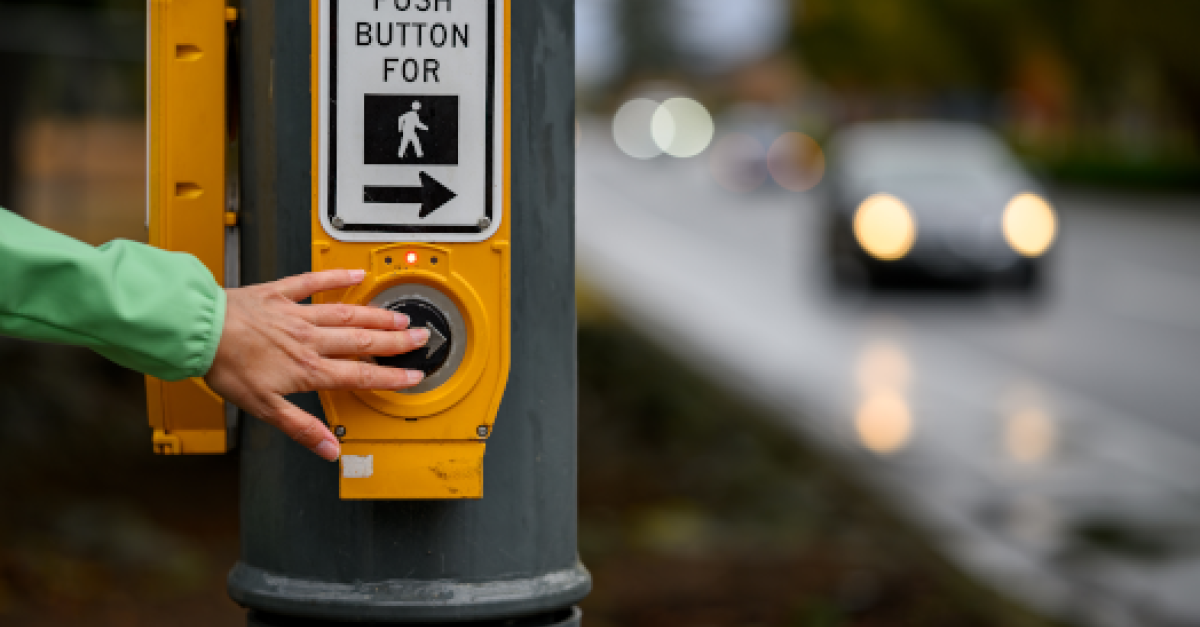
An accessible pedestrian signal is an essential traffic control device that helps people cross roads safely, especially individuals who are blind, visually impaired, or have other mobility challenges. As cities continue to adopt smart infrastructure and prioritize inclusive design, accessible pedestrian signals have become a key part of modern transportation systems. These devices provide audible sounds, vibrating surfaces, and clear visual indicators that guide pedestrians when it is safe to cross.
Accessible pedestrian signals are designed to make intersections safer for everyone. They improve confidence, reduce accidents, and support independent travel for people with disabilities. Whether installed in busy urban areas, school zones, hospitals, or residential neighborhoods, these systems contribute to creating more accessible communities.
What Is an Accessible Pedestrian Signal?
An accessible pedestrian signal is a specialized traffic signal that provides information to pedestrians through multiple sensory methods. Unlike traditional pedestrian signals that rely mainly on visual “Walk” and “Don’t Walk” symbols, accessible pedestrian signals include audible tones, spoken messages, and tactile vibrations.
These additional features allow people with visual impairments to understand when it is safe to cross a street. Many modern systems also include locator tones that help users find the push button before crossing.
By combining visual, audible, and tactile feedback, accessible pedestrian signals ensure that more people can navigate intersections safely and independently.
How an Accessible Pedestrian Signal Works
An accessible pedestrian signal operates alongside the standard traffic signal at an intersection. When a pedestrian presses the button, the system registers the crossing request. Once the traffic light changes to allow pedestrian movement, the accessible pedestrian signal activates.
The device may provide:
- Audible beeping or chirping sounds
- Spoken messages announcing the crossing direction
- Vibrating push buttons
- Bright visual walk indicators
- Countdown timers
These features work together to communicate crossing information clearly to pedestrians with different accessibility needs.
Key Features of an Accessible Pedestrian Signal
Modern accessible pedestrian signal systems include several advanced features that improve safety and usability.
Audible Signals
Audible tones inform pedestrians when the crossing phase begins. Different sounds may be used to distinguish crossing directions at complex intersections.
Vibrating Push Buttons
Many accessible pedestrian signal units include vibrating arrows that activate during the walk phase. This allows users who are deafblind or in noisy environments to receive crossing information through touch.
Spoken Instructions
Some systems provide voice announcements such as “Walk sign is on to cross Main Street.” These spoken messages reduce confusion and improve navigation.
Locator Tone
A locator tone helps pedestrians identify the location of the push button before crossing. The sound is gentle and repeats continuously until the button is pressed.
Countdown Display
Visual countdown timers inform pedestrians how much time remains to complete the crossing safely.
Benefits of an Accessible Pedestrian Signal
Installing an accessible pedestrian signal offers numerous advantages for cities, pedestrians, and transportation authorities.
Increased Safety
The primary benefit is improved pedestrian safety. Clear audio and tactile signals reduce uncertainty and help users cross at the correct time.
Greater Independence
People with visual impairments can travel without depending on assistance from others, increasing confidence and mobility.
Inclusive Communities
Accessible infrastructure ensures equal access for people of all abilities, supporting universal design principles.
Compliance with Accessibility Standards
Many countries require public infrastructure to meet accessibility regulations. Installing accessible pedestrian signals helps municipalities comply with these standards.
Better Traffic Management
These systems improve pedestrian flow while coordinating efficiently with vehicle traffic signals.
Where Accessible Pedestrian Signals Are Used
Accessible pedestrian signals are commonly installed in locations where pedestrian safety is especially important.
Typical installation sites include:
- Busy city intersections
- School crossing areas
- Hospital entrances
- Shopping districts
- Public transportation stations
- University campuses
- Government buildings
- Residential neighborhoods
- Tourist attractions
- Senior living communities
These areas often experience high pedestrian traffic and benefit greatly from enhanced accessibility.
Types of Accessible Pedestrian Signal Systems
Several types of accessible pedestrian signal technologies are available depending on traffic conditions and user needs.
Audible Signal Systems
These devices use beeps, chirps, or spoken messages to indicate when crossing is permitted.
Vibrotactile Systems
These systems provide information through vibration, making them useful for individuals with both hearing and vision impairments.
Integrated Smart Systems
Modern smart intersections combine accessible pedestrian signals with sensors, adaptive traffic control, and remote monitoring for improved efficiency.
Wireless Accessible Systems
Some advanced models allow users to interact with the crossing signal using smartphone applications or dedicated wireless devices.
Important Design Considerations
Proper installation is essential for an accessible pedestrian signal to function effectively.
Engineers should consider:
- Button placement
- Volume adjustment based on surrounding noise
- Clear spoken messages
- Appropriate crossing times
- Weather resistance
- Maintenance accessibility
- Reliable power supply
- Coordination with traffic signal timing
Thoughtful design ensures the system remains easy to use for all pedestrians.
Maintenance of Accessible Pedestrian Signals
Routine maintenance keeps accessible pedestrian signal systems operating correctly and safely.
Maintenance tasks include:
- Inspecting push buttons
- Testing audible speakers
- Checking vibration functions
- Cleaning equipment
- Updating software
- Repairing damaged components
- Verifying countdown displays
- Monitoring electrical connections
Regular inspections help prevent failures that could affect pedestrian safety.
Smart City Integration
Many cities are integrating accessible pedestrian signals into broader smart transportation networks. These systems can communicate with traffic management centers, collect pedestrian usage data, and adjust signal timing based on real-time conditions.
Artificial intelligence and connected infrastructure are making pedestrian crossings safer by reducing unnecessary waiting times and improving traffic efficiency. Some systems can even detect pedestrian presence automatically, eliminating the need to press a button.
As smart city technology continues to evolve, accessible pedestrian signals will become even more intelligent and responsive.
Choosing the Right Accessible Pedestrian Signal
Selecting the appropriate accessible pedestrian signal depends on several factors.
Important considerations include:
- Intersection size
- Traffic volume
- Pedestrian activity
- Local accessibility regulations
- Climate conditions
- Installation budget
- Maintenance requirements
- Future smart city compatibility
Transportation planners should evaluate both current and future community needs before choosing a system.
Future of Accessible Pedestrian Signals
The future of accessible pedestrian signal technology looks promising. Emerging innovations include artificial intelligence, Internet of Things connectivity, machine learning, cloud-based monitoring, and smartphone integration.
Future systems may automatically recognize approaching pedestrians with disabilities and customize signal timing accordingly. Enhanced voice guidance, multilingual support, and predictive traffic management will further improve accessibility.
As cities continue investing in inclusive infrastructure, accessible pedestrian signals will remain an important component of safe and sustainable urban mobility.
Conclusion
An accessible pedestrian signal is much more than a traffic device—it is a vital tool for creating safer, more inclusive communities. By providing audible, tactile, and visual guidance, these systems allow people of all abilities to cross streets confidently and independently. Their role in reducing accidents, supporting accessibility, and advancing smart city initiatives makes them an essential investment for modern transportation networks.
As technology advances, accessible pedestrian signals will continue to improve, offering smarter features, greater reliability, and enhanced user experiences. Communities that prioritize accessible infrastructure not only improve pedestrian safety but also promote equality, independence, and better quality of life for everyone.