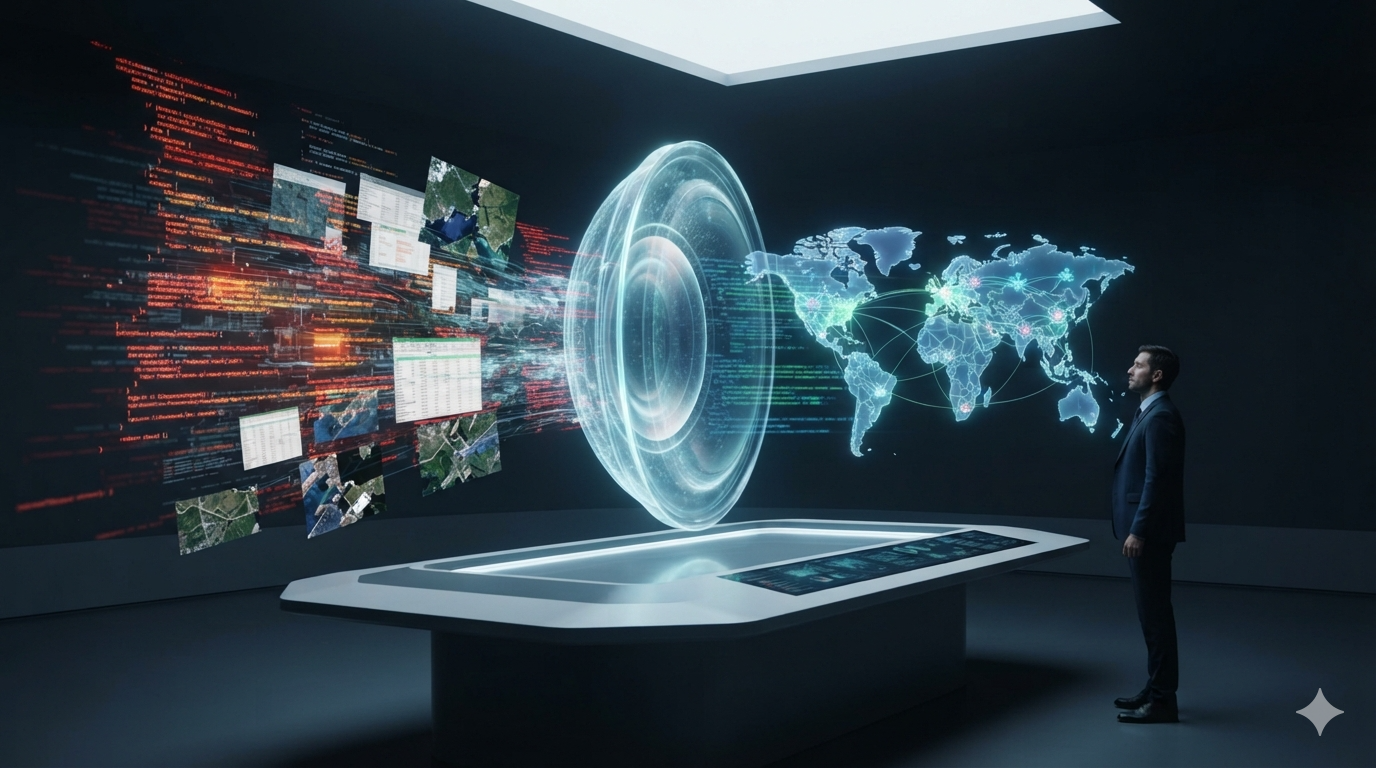
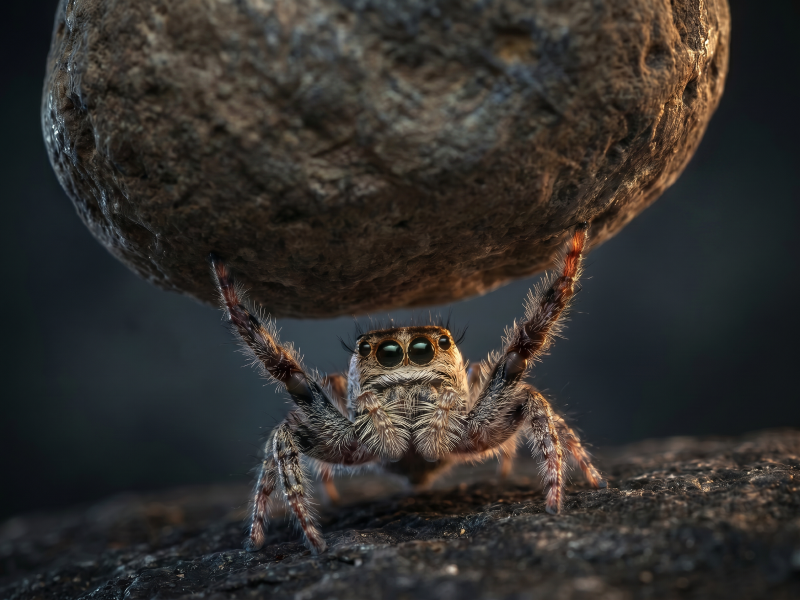
Artificial intelligence has transformed the way visual content is created, opening new creative possibilities for designers, marketers, hobbyists, and businesses alike. What once required years of artistic training or expensive software can now be achieved in seconds through intelligent algorithms trained on vast collections of images.
This shift has changed how people approach visual storytelling, branding, and creative expression, making powerful design tools accessible to anyone with an idea and an internet connection.
What Is an AI Picture Generator and How Does It Work
An AI picture generator is a software tool that uses machine learning models to create original images based on text prompts, existing images, or a combination of both. These systems are trained on enormous datasets containing millions of images paired with descriptive text, allowing them to learn the relationships between words and visual elements. When a user types a description, the model interprets the language and generates a corresponding image, often producing highly detailed and stylistically varied results within moments.
The underlying technology typically relies on diffusion models, a technique where the system starts with random noise and gradually refines it into a coherent image that matches the given prompt. This process happens through repeated passes where the model adjusts pixels based on patterns it has learned, resulting in outputs that can range from photorealistic scenes to abstract art, depending on the instructions provided.
The Growing Popularity of AI Generated Visuals
Over the past few years, interest in AI generated imagery has grown rapidly across industries. Marketing teams use these tools to produce custom graphics for campaigns without the delays associated with traditional photo shoots. Content creators rely on them to illustrate blog posts, social media updates, and video thumbnails. Game developers and artists experiment with AI generated concepts to speed up early stages of visual design.
This popularity stems largely from accessibility. Many platforms now offer free or low cost access to image generation tools, removing barriers that once limited creative work to those with professional software and training. As a result, small business owners, students, and independent creators can produce professional looking visuals that would have previously required hiring a designer or purchasing stock photography.
Common Applications Across Different Fields
The versatility of AI image generation has led to its adoption across many sectors. In marketing and advertising, brands use generated visuals for social media posts, website banners, and product mockups. In education, teachers create custom illustrations to explain complex concepts in a more engaging way. In entertainment, concept artists use AI tools to quickly visualize characters, environments, and scenes before committing to a final design.
Publishing and journalism have also embraced this technology, particularly for generating illustrative images that accompany articles when traditional photography is not available or appropriate. Meanwhile, architects and interior designers use similar tools to visualize spaces and layouts before construction begins, saving both time and resources during the planning process.
Balancing Creativity With Ethical Considerations
As with any transformative technology, AI image generation raises important questions that deserve careful attention. Copyright and ownership remain areas of ongoing discussion, since these models are trained on existing images, some of which may be protected by intellectual property rights. Many platforms have responded by implementing usage policies, licensing agreements, and filters designed to prevent the reproduction of copyrighted material or the generation of harmful content.
Another consideration involves transparency. As AI generated images become more realistic, distinguishing them from photographs taken by cameras becomes increasingly difficult. This has prompted calls for clearer labeling and watermarking standards, helping viewers understand when an image has been created artificially rather than captured in the real world. Responsible use of these tools involves understanding both their creative potential and their limitations, ensuring that generated content is used thoughtfully and ethically.
The Role of Prompts in Shaping Output Quality
One of the most important factors influencing the quality of an AI generated image is the prompt itself. A well crafted prompt provides clear, specific details about the desired subject, style, lighting, and composition, guiding the model toward a more accurate and visually appealing result. Vague or overly broad prompts often produce inconsistent outputs, while detailed descriptions tend to yield images that align more closely with the creator’s vision.
Many users have developed their own techniques for prompt writing, experimenting with descriptive adjectives, artistic references, and technical terms borrowed from photography and design. This has given rise to a new skill set sometimes referred to as prompt engineering, where understanding how to communicate effectively with an AI model becomes just as valuable as traditional artistic technique.
Looking Ahead at Future Developments
The technology behind AI image generation continues to evolve at a rapid pace. Researchers are working on improving the accuracy of generated images, reducing artifacts and inconsistencies that sometimes appear in complex scenes. There is also growing interest in combining image generation with other AI capabilities, such as video creation and three dimensional modeling, expanding the range of creative applications even further.
As models become more refined, they are also becoming better at understanding nuanced instructions, allowing for greater control over style, mood, and detail. This progress suggests that future tools will offer even more precision, making it easier for users to translate their ideas into visual form with minimal trial and error.
Conclusion
AI image generation has become a significant part of the modern creative landscape, offering new ways to produce visual content quickly and efficiently. From marketing professionals to independent artists, people across many fields are discovering how an AI picture generator can support their creative process, saving time while expanding what is possible without extensive technical training. As the technology continues to mature, it will likely play an even larger role in shaping how visual content is imagined, produced, and shared, making it a subject worth following closely for anyone interested in the future of digital creativity.