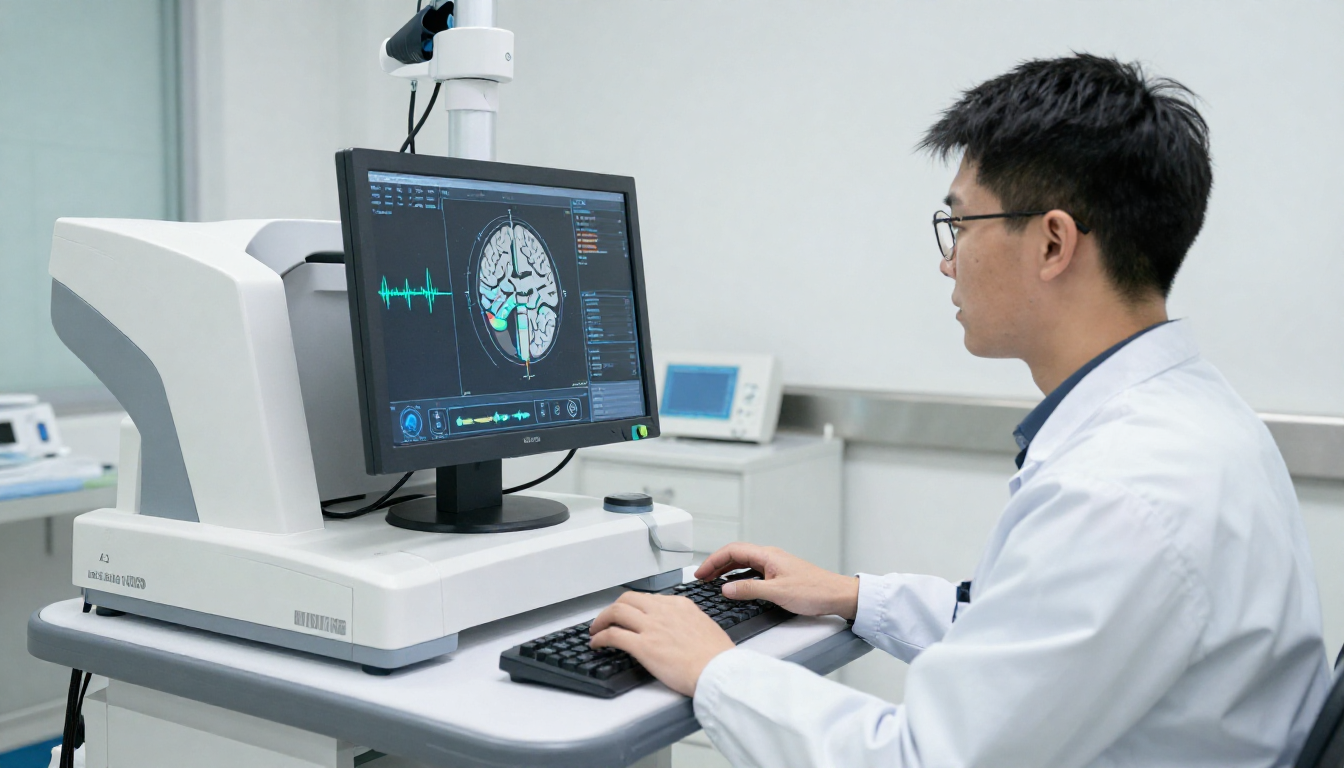
If you want a meaningful healthcare career that helps people every single day, becoming an eeg tech is a fantastic choice. An eeg tech is a dedicated healthcare professional who operates special machines to record electrical activity in the brain. These brain wave tests are very important for doctors. They help doctors find and watch over brain problems like epilepsy, sleep disorders, and severe headaches. Working directly with patients lets you make a real difference during scary moments. You get to comfort them while using amazing technology to solve medical puzzles.
What is an eeg tech and Why Does This Role Matter?
An eeg tech, also known as an electroencephalogram technologist, plays a huge part in modern medicine. You act as a detective for the brain. By placing tiny sensors called electrodes on a patient’s scalp, you capture brain signals safely and gently. These recordings give doctors the exact map they need to figure out what is wrong inside a patient’s head. Without the precise work of a skilled eeg tech, neurologists would struggle to diagnose conditions like brain tumors or sudden seizures. Your careful hands and kind heart provide life-changing clarity for families searching for answers.
Daily Responsibilities: A Day in the Life of an eeg tech
Every single day brings fresh and exciting tasks when you work as an eeg tech. Your morning usually starts by checking your schedule and preparing your testing room. Next, you will greet your patients warmly and explain the test in simple words to calm their nerves. You then measure the scalp carefully and apply special paste to attach the sensors. Once the machine starts recording, you monitor the screen closely to make sure the data looks perfect. After the test finishes, you clean the equipment and safely save the brain wave data for the doctor to review.
Essential Skills for Success in This Field
To thrive as an eeg tech, you need a wonderful mix of technical talent and gentle people skills. First, strong attention to detail is necessary because placing sensors even a tiny bit wrong can change the test results. Second, patience and empathy are absolute musts. You will work with scared children, confused adults, and elderly patients who need extra kindness. Third, good problem-solving skills help you fix quick equipment hiccups or handle sudden patient movements. Finally, clear communication ensures you can work perfectly alongside doctors, nurses, and other hospital staff members to give amazing patient care.
Educational Paths to Get Started
Embarking on your journey to become an eeg tech is easier than you might think. Most future professionals choose a two-year associate degree program at a community college or vocational school. You can also find fast one-year certificate programs if you already have some college healthcare credits. These great programs teach you everything about brain anatomy, patient care, and electrical wave patterns. Look for programs that give you plenty of hands-on practice in real hospitals or clinics. Learning directly on real machines builds your confidence so you are totally ready for your very first day on the job.
Clinical Training and Hands-On Experience
Classroom learning is wonderful, but clinical training truly turns you into a superstar eeg tech. During your clinical rotations, you step inside a real medical clinic or bustling hospital. Under the watchful eye of a seasoned eeg tech, you will practice setting up tests on real patients. You learn how to handle unexpected challenges, like a wiggly toddler or a patient who feels unwell during the procedure. This real-world practice is where you truly learn how to comfort people while doing your job quickly and correctly. Embrace every single moment of your training because it shapes your professional habits for the rest of your life.
Obtaining National Certification for Better Opportunities
Taking the big step to get national certification sets you apart as a trusted eeg tech. After finishing your schooling, you can take a special exam to become fully registered. Many top hospitals and medical centers across the United States strongly prefer hiring certified professionals. Having that special credential proves to employers that you know your stuff and follow the highest safety rules. It shows dedication to your craft, opens doors to better pay raises, and gives you deep personal pride in your amazing medical abilities. Certification is your golden ticket to long-term career success.
Understanding Salary and Earning Potential
A very exciting part of this career is the excellent salary you can earn as an eeg tech. Across the United States, beginners usually make a solid income right out of school. As you gain experience, learn new skills, and earn your national registration, your paycheck will grow nicely. Full-time techs often earn wonderful benefits like health insurance, paid vacation time, and retirement plans. Furthermore, if you love to travel, you can work as a temporary contractor and earn even higher weekly paychecks while exploring beautiful new cities across the country.
Exploring Different Work Environments
You will never feel stuck in one boring spot when you work as an eeg tech. Many professionals love the fast-paced environment of large hospitals and busy trauma centers. Others prefer the calm and predictable hours of small private neurology clinics or quiet sleep centers. You might even find exciting jobs at research facilities helping scientists learn new secrets about the human brain. Some specialized techs work right inside surgery rooms, keeping an eye on brain waves while doctors perform delicate operations. You have the total freedom to pick a workplace that fits your lifestyle perfectly.
Career Growth and Specialization Pathways
Your journey does not stop once you become an eeg tech. With extra experience, you can climb the career ladder to become a lead technologist, department supervisor, or clinical instructor. You can also learn cool advanced specialties like long-term monitoring for epilepsy patients or continuous brain monitoring in emergency rooms. Some dedicated techs even go back to school to learn about sleep studies or nerve testing. The healthcare world changes fast, and there are always fun new paths to keep your brain challenged and your career moving forward.
Detailed Overview of the Profession
| Feature | Detailed Information |
| Primary Role | Record electrical activity in the brain using specialized equipment |
| Common Job Titles | EEG Technologist, Electroneurodiagnostic Tech, Neurodiagnostic Technician |
| Main Education Path | 1-year certificate or 2-year associate degree from an accredited program |
| Key Skills Required | Technical precision, empathy, patience, strong communication, and problem-solving |
| Work Environments | Hospitals, neurology clinics, surgery centers, sleep labs, and research facilities |
| Average Salary Range | $50,000 to $75,000+ per year (varies by location, experience, and certification) |
| Certification Board | American Board of Registration of Electroencephalographic and Evoked Potential Technologists (ABRET) |
| Job Outlook | Fast job growth expected due to rising demand for brain health services |
FAQs
What does an eeg tech do exactly?
An eeg tech attaches small sensors to a patient’s scalp to record brain waves. They make sure the machine runs smoothly and safely so doctors can spot brain issues like epilepsy or sleep problems.
How long does it take to become an eeg tech?
You can finish most training programs in one to two years. Certificate programs take about twelve months, while associate degrees usually take twenty-four months of study and clinical practice.
Is the job of an eeg tech stressful?
It can be busy, but most techs find it very rewarding. You spend your time helping people one-on-one, which makes any daily stress completely worth it when you see patients get better.
Do I need a college degree for this job?
Yes, you usually need at least a post-secondary certificate or an associate degree. Employers want to see that you completed an accredited training program before you start touching delicate medical equipment.
Can an eeg tech work in hospitals?
Hospitals are actually the biggest employers of these technologists. Techs work in emergency rooms, intensive care units, and surgery wards to monitor patient brain health around the clock.
Is there good job demand for this career?
Yes, the demand is very high across the United States. As new medical technology improves and populations age, doctors need more skilled professionals to help them treat complicated neurological conditions.
Conclusion
Stepping into the medical field as an eeg tech is a brilliant decision for your future. You get to enjoy great job security, wonderful pay, and a friendly work environment where you truly change lives. Every test you run brings comfort to a worried patient and gives crucial clues to your medical team. If you are ready for a fresh start with tons of heart, look into local training programs today. Take that exciting first step toward a deeply meaningful career centered around brain health and healing!