
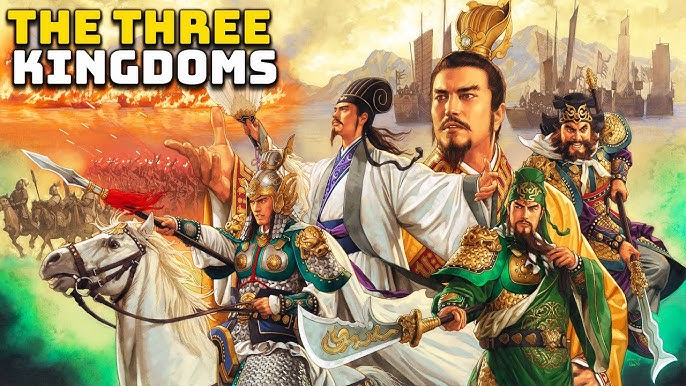
The Three Kingdoms period is one of the most famous and fascinating eras in Chinese history. It was a time of war, strategy, powerful leaders, and legendary heroes. The story of the Three Kingdoms has inspired books, movies, television series, and video games for centuries. Many people around the world know about this historical period because of its exciting battles and memorable characters.
The Three Kingdoms era began after the fall of the Han Dynasty and lasted from 220 AD to 280 AD. During this time, China was divided into three major kingdoms that fought for control of the land. These kingdoms were Wei, Shu, and Wu. Each kingdom had its own rulers, armies, and military strategies.
What Is the Three Kingdoms Period?
The Three Kingdoms period refers to the time when China was divided into three rival states:
- Wei Kingdom
- Shu Kingdom
- Wu Kingdom
These kingdoms emerged after the collapse of the Eastern Han Dynasty. Political corruption, rebellions, and struggles for power weakened the empire and created opportunities for ambitious leaders to rise.
The era became famous because of the intense competition among these kingdoms as each attempted to unify China under its rule.
The Fall of the Han Dynasty
Before the Three Kingdoms period began, the Han Dynasty ruled China for several centuries. However, the government became weak due to corruption and internal conflicts.
Several factors contributed to the fall of the Han Dynasty:
- Political corruption among officials
- Heavy taxes on citizens
- Economic problems
- Military conflicts
- The Yellow Turban Rebellion
As central authority weakened, regional warlords gained power and built their own armies. Eventually, these warlords became the leaders of the future kingdoms.
The Kingdom of Wei
The Kingdom of Wei was founded by Cao Pi, the son of the famous warlord Cao Cao. Wei controlled much of northern China and became the largest of the three kingdoms.
Important features of Wei included:
- Strong military forces
- Large population
- Advanced administration
- Rich agricultural resources
Cao Cao played a major role in laying the foundation for Wei. Although he never declared himself emperor, his leadership helped establish the kingdom’s strength.
Many historians consider Wei the most powerful kingdom during much of the Three Kingdoms era.
The Kingdom of Shu
The Kingdom of Shu was founded by Liu Bei, who claimed to be related to the Han royal family. Shu was located in southwestern China and was known for its loyal leaders and talented advisors.
Key figures in Shu included:
- Liu Bei
- Zhuge Liang
- Guan Yu
- Zhang Fei
Zhuge Liang became one of the most respected strategists in Chinese history. His intelligence and military planning earned him legendary status.
Although Shu was smaller than Wei, it gained popularity because of the loyalty and honor shown by its leaders.
The Kingdom of Wu
The Kingdom of Wu was established by Sun Quan and controlled southeastern China. Wu benefited from its strong naval power and strategic location along the Yangtze River.
Strengths of Wu included:
- Powerful navy
- Strong defenses
- Skilled military commanders
- Economic prosperity
Sun Quan proved to be an effective ruler who maintained stability and defended his kingdom against larger rivals.
Wu remained an important force throughout the Three Kingdoms period and survived for many decades.
Famous Heroes of the Three Kingdoms
One reason the Three Kingdoms era remains popular is the large number of legendary heroes associated with it.
Some of the most famous figures include:
- Cao Cao
- Liu Bei
- Sun Quan
- Zhuge Liang
- Guan Yu
- Zhang Fei
- Zhao Yun
- Lu Bu
These individuals became symbols of courage, intelligence, leadership, and loyalty.
Their stories continue to inspire people through literature, entertainment, and historical studies.
The Battle of Red Cliffs
The Battle of Red Cliffs is one of the most important events of the Three Kingdoms era. It took place around 208 AD and changed the future of China.
At Red Cliffs:
- Cao Cao led a massive army from the north.
- Sun Quan and Liu Bei formed an alliance.
- The allied forces used clever strategies.
- Fire attacks destroyed much of Cao Cao’s fleet.
The victory prevented Cao Cao from unifying China and allowed the three kingdoms to emerge.
This battle remains one of the most celebrated military victories in Chinese history.
Military Strategies of the Three Kingdoms
The Three Kingdoms period is famous for its military tactics and strategic thinking.
Popular strategies included:
- Surprise attacks
- Ambushes
- Diplomatic alliances
- Psychological warfare
- Defensive fortifications
Strategists often relied on intelligence gathering and careful planning rather than brute force alone.
Many military principles from this era are still studied today by historians and leadership experts.
Romance of the Three Kingdoms
The popularity of the Three Kingdoms increased dramatically because of the novel “Romance of the Three Kingdoms.”
This classic work was written by Luo Guanzhong during the 14th century and combines historical facts with fictional elements.
The novel features:
- Epic battles
- Heroic warriors
- Political intrigue
- Strategic brilliance
- Dramatic storytelling
It is considered one of the Four Great Classical Novels of Chinese literature and remains widely read throughout the world.
Cultural Influence of the Three Kingdoms
The Three Kingdoms era has had a lasting impact on Chinese culture and global entertainment.
Its influence can be seen in:
- Novels
- Movies
- Television dramas
- Video games
- Comics
- Historical studies
Many modern games and films draw inspiration from the famous battles and characters of this period.
The stories continue to attract new generations of fans who enjoy history, strategy, and adventure.
Why People Still Love the Three Kingdoms
The Three Kingdoms remains popular because it combines history with unforgettable human stories.
People admire the era because of:
- Courageous leaders
- Strategic battles
- Political drama
- Loyalty and friendship
- Historical significance
Each kingdom had unique strengths and memorable personalities, making the period exciting and complex.
Readers and viewers often find themselves supporting different heroes based on their values and leadership styles.
Lessons from the Three Kingdoms
The Three Kingdoms period offers many valuable lessons that remain relevant today.
Important lessons include:
- Leadership requires wisdom and vision.
- Loyalty builds strong relationships.
- Strategy can overcome larger opponents.
- Unity is important during difficult times.
- Adaptability helps leaders survive challenges.
These lessons have helped the stories remain meaningful for centuries.
Conclusion
The Three Kingdoms period stands as one of the most remarkable chapters in Chinese history. It was an era filled with legendary heroes, brilliant strategies, and dramatic conflicts that shaped the future of China. The kingdoms of Wei, Shu, and Wu competed for power while producing some of the most memorable figures in history.
Through historical records and the famous novel Romance of the Three Kingdoms, the stories of this era continue to entertain and educate people around the world. Whether you are interested in history, military strategy, or inspiring leadership, the Three Kingdoms remains a fascinating subject that continues to capture the imagination of millions.