

Uneven skin tone can be frustrating, especially when dark spots seem to linger long after their original cause has disappeared. Whether pigmentation develops due to acne, sun exposure, hormonal fluctuations, or skin inflammation, many individuals find that ordinary skincare products are often not enough to achieve noticeable improvement.
Among the ingredients most commonly associated with pigmentation treatment, hydroquinone has maintained a strong reputation for decades. Frequently used in dermatology for various forms of hyperpigmentation, hydroquinone remains one of the most widely recognized ingredients for addressing stubborn discoloration and promoting a more even-looking complexion.
What Causes Hyperpigmentation?

Hyperpigmentation occurs when certain areas of the skin produce more melanin than surrounding tissue. Melanin is the natural pigment responsible for skin color, but various triggers can cause it to accumulate unevenly.
Common causes include:
- Excessive sun exposure
- Hormonal changes
- Acne and post-acne marks
- Skin injuries
- Inflammatory skin conditions
- Aging-related pigmentation
Although these concerns may appear similar, the underlying causes can vary significantly. This is why treatment often requires ingredients specifically designed to target excess melanin production.
Why Dark Spots Can Be Difficult to Fade
Many people assume that pigmentation will disappear on its own. While some discoloration may gradually fade, more persistent forms can remain visible for months or even years.
Several factors contribute to this challenge:
Continued Sun Exposure
Even minimal UV exposure can stimulate melanin production and worsen existing pigmentation.
Slow Skin Renewal
As skin ages, its natural turnover process becomes slower. This can allow pigmented cells to remain visible for longer periods.
Ongoing Inflammation
Inflammation caused by acne, irritation, or certain skin conditions may continue triggering pigment production even after the original problem appears resolved.
Because multiple factors often contribute to discoloration, effective treatment usually requires a targeted and consistent approach.
How Hydroquinone Works
Hydroquinone is often considered one of the most effective topical ingredients for reducing hyperpigmentation. It works by inhibiting tyrosinase, an enzyme involved in melanin production. By slowing this process, hydroquinone helps reduce the formation of excess pigment and encourages a more even skin tone over time.
Unlike temporary cosmetic solutions that simply cover discoloration, hydroquinone addresses pigmentation at its source by targeting the biological process responsible for excess melanin.
This mechanism has contributed to its long-standing popularity among skincare professionals and individuals seeking a brighter complexion.
Skin Concerns Commonly Associated With Hydroquinone Use
Hydroquinone-based products are often incorporated into routines designed to address several common pigmentation concerns.
Melasma
Melasma is one of the most common pigmentation disorders and frequently appears as brown or gray-brown patches on the face. Many people seek targeted treatments to help reduce the visibility of these patches and achieve a more balanced skin tone.
Post-Inflammatory Hyperpigmentation
Dark marks left behind after acne breakouts or skin injuries can persist long after the skin has healed. Hydroquinone may help improve the appearance of these marks by reducing excess pigment production.
Sun Spots and Age Spots
Years of sun exposure can result in localized areas of pigmentation. Targeted skincare approaches often focus on reducing the visibility of these spots while promoting a more balanced complexion.
Uneven Skin Tone
Many individuals seek brighter and more uniform-looking skin. By helping address areas of excess pigmentation, hydroquinone may contribute to a more consistent appearance overall.
The Importance of Consistency
One of the most common mistakes people make when treating pigmentation is expecting immediate results.
Skin renewal is a gradual process. Visible improvements often require consistent application and patience. Factors influencing results may include:
- Severity of pigmentation
- Duration of discoloration
- Individual skin type
- Sun exposure habits
- Overall skincare routine
Individuals who maintain realistic expectations are often more satisfied with their long-term outcomes.
Supporting Results With Proper Skincare
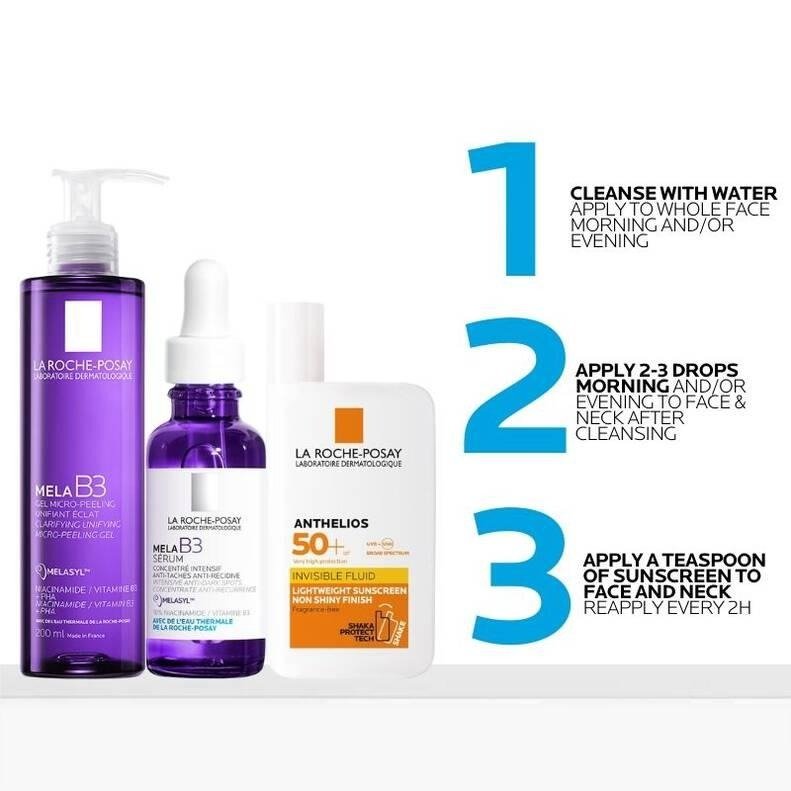
Hydroquinone treatments are typically most effective when supported by healthy skincare habits.
Daily Sun Protection
Sun protection remains one of the most important components of any pigmentation-focused routine. Continued UV exposure can trigger additional melanin production and slow progress.
Gentle Cleansing
Using a mild cleanser helps remove impurities without compromising the skin barrier.
Moisturization
Hydrated skin generally tolerates active ingredients more comfortably and maintains a healthier overall appearance.
Avoiding Excessive Irritation
Overusing strong exfoliants or combining too many active ingredients may increase irritation, potentially worsening pigmentation in some individuals.
Choosing a Hydroquinone-Based Product
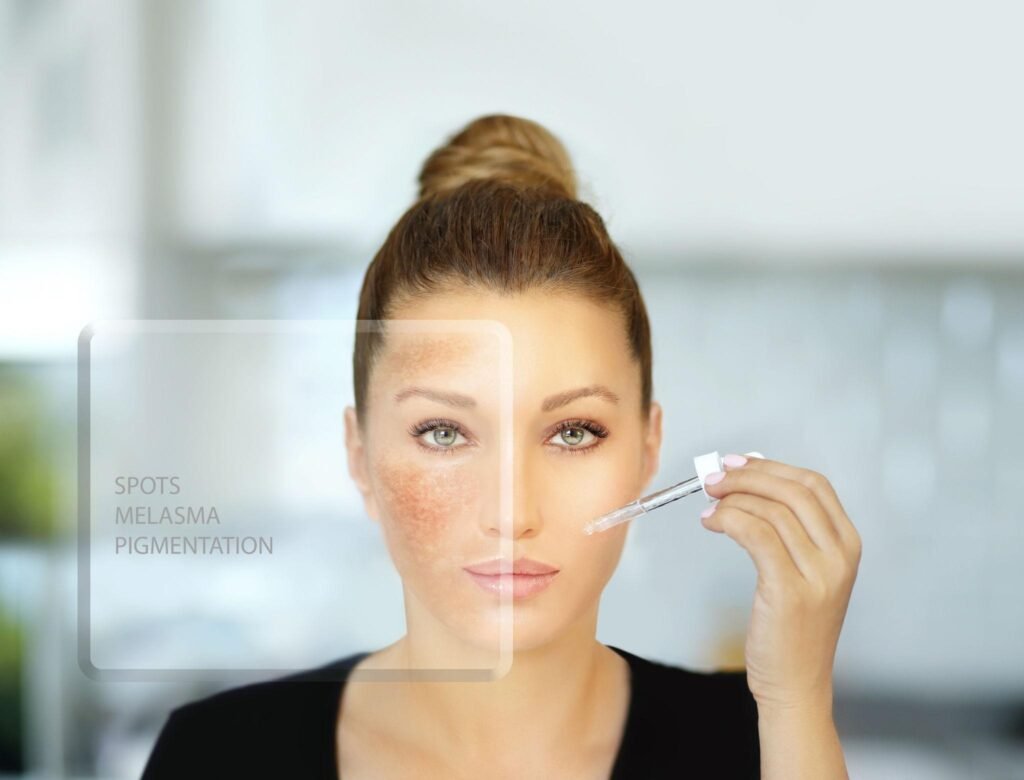
As awareness of pigmentation treatments continues to grow, many people seek formulations specifically designed to target melasma and stubborn dark spots.
A commonly selected option is Melalite 4% Hydroquinone Cream, which contains 4% hydroquinone and is widely associated with pigmentation-focused skincare routines. Hydroquinone 4% formulations are frequently used to address melasma, dark spots, sun-induced pigmentation, and post-inflammatory hyperpigmentation by helping reduce melanin production.
For individuals seeking a targeted approach to uneven skin tone, products containing hydroquinone continue to be among the most recognized options available.
Common Mistakes to Avoid
Successful pigmentation management often involves avoiding habits that may interfere with results.
Skipping Sunscreen
Even effective pigmentation treatments may deliver limited improvements if the skin remains exposed to excessive sunlight.
Using Too Much Product
Applying larger amounts does not necessarily improve outcomes and may increase the likelihood of irritation.
Inconsistent Application
Frequent interruptions in a skincare routine can slow progress and make results more difficult to evaluate.
Expecting Overnight Improvement
Pigmentation develops gradually and often requires time to fade. Consistency and patience remain important factors in achieving noticeable changes.
Looking Beyond Dark Spots
While many people initially seek hydroquinone for pigmentation concerns, improvements in overall skin appearance often contribute to greater confidence.
A comprehensive skincare routine focused on protection, hydration, and targeted treatment can help support:
- More even skin tone
- Reduced visibility of dark spots
- Improved skin clarity
- Healthier-looking complexion
- Greater consistency in skin appearance
When combined with proper skincare habits, targeted pigmentation treatments may play an important role in achieving long-term skin goals.
Final Thoughts
Hyperpigmentation remains one of the most common cosmetic skin concerns worldwide. Whether caused by sun exposure, acne, hormonal changes, or inflammation, dark spots can be challenging to address without ingredients specifically designed to target excess melanin production.
Hydroquinone has remained a trusted option because it directly addresses one of the key processes responsible for pigmentation. When used as part of a consistent skincare routine that includes sun protection and proper skin care habits, hydroquinone-based products can help support a brighter, clearer, and more even-looking complexion over time.